
 Nederlands
 Deutsch

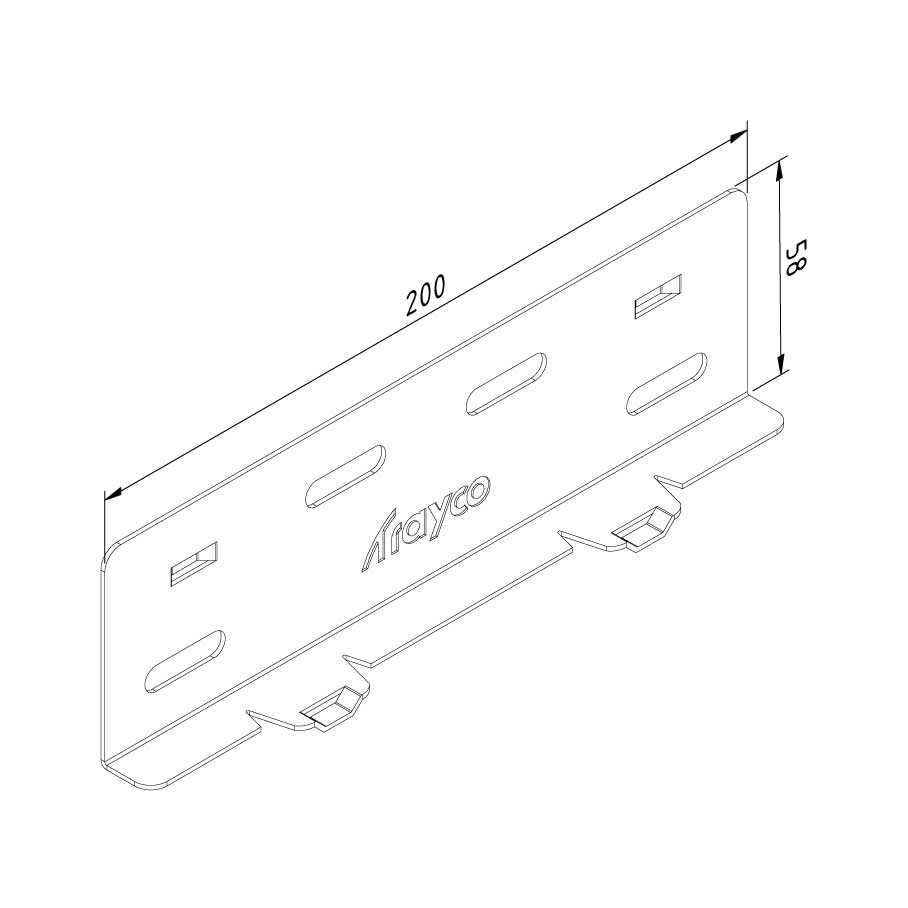
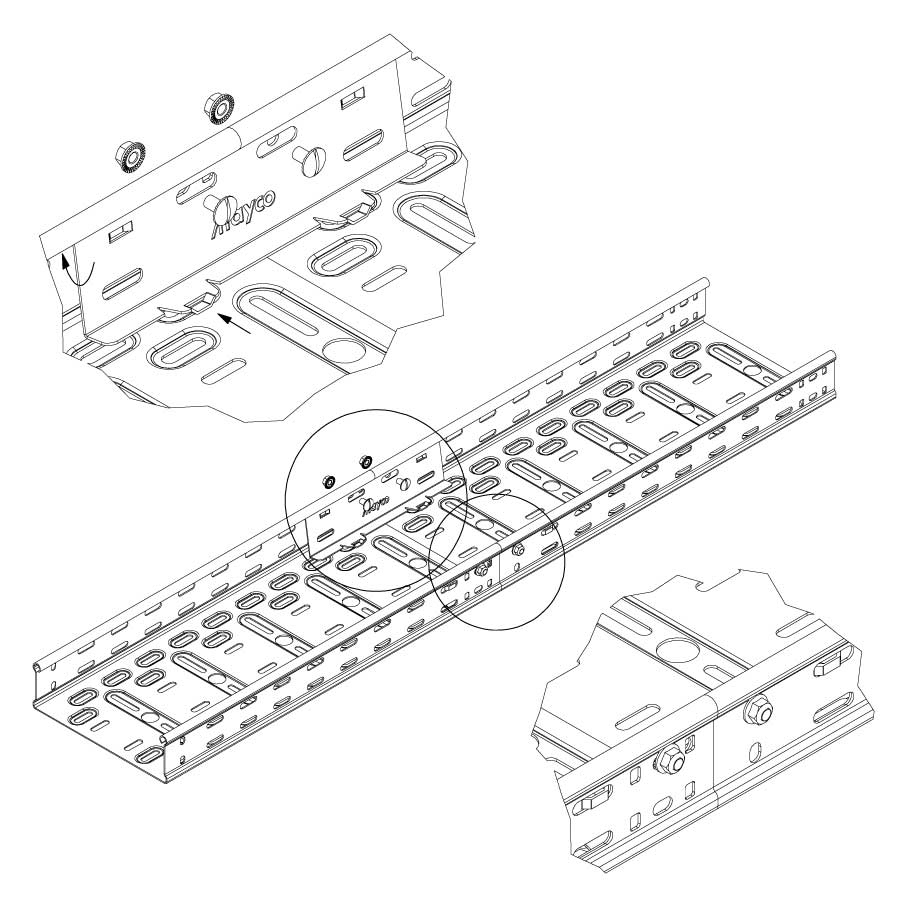
Clip-on coupling plate
BrandTRAYCO
EAN / GTIN5415129024946
Manufacturer ref.12506
€3.62 incl. VAT ⭐€2.99 excl. VAT
In stock
Delivery time between: 28, November 2026 - 01, December 2026
Free shippingfrom €200 (Belgium)
Pickup point 24/7Temse, Belgium
Original productsOfficial distributors only
Expert advicePersonal service
Secure paymentMollie
Fast deliveryBpost / DPD
Product description
Clip-on coupling plate:
Coupling: BN06-10-EG
Clip-on coupling plate:
Hot-dip galvanized (EN ISO 1461) DG (dipped-galvanised)
If cable support systems are exposed to weather conditions and/or aggressive substances (such as petrochemical applications), they receive an additional treatment in the form of hot-dip galvanizing. Hot-dip galvanizing is also known as piece galvanizing, full-bath galvanizing, fire galvanizing or hot-dip galvanizing.
Hot-dip galvanizing is a materials engineering process intended to protect steel against corrosion. If this layer is breached, the zinc acts as a sacrificial anode, protecting the iron with zinc (also known as cathodic protection). During galvanizing, three alloys are formed: a first iron-zinc alloy, a second zinc-iron alloy and a third zinc alloy. To achieve good adhesion, the pre-treatment of the steel is crucial and consists of the following process steps: degreasing, rinsing, pickling, rinsing, fluxing, drying and dipping.
The layer thickness depends on the steel composition, the material thickness and the time spent in the zinc bath. The galvanizing standard NEN-EN-ISO 1461 specifies the minimum layer thicknesses (as shown in the following overview), as well as the annual zinc depletion, which depends on environmental factors. The zinc layer also forms an excellent bonding layer for further finishing treatments, such as powder coating and paint coatings (better known as a duplex system).
An additional advantage of hot-dip galvanizing is that the zinc layer is thicker along edges and points, where objects are generally particularly susceptible to corrosion, due to the behaviour of the liquid.
Minimum zinc layer thicknesses according to ISO 1461:
- Using the dipping method
Material thickness ≥ 6 mm = min. zinc layer thickness (average) 85µm
Material thickness 3 mm - 6 mm = min. zinc layer thickness (average) 70µm
Material thickness 1.5 mm - 3 mm = min. zinc layer thickness (average) 55µm
Material thickness < 1.5 mm = min. zinc layer thickness (average) 45µm
- Using the drum method (smaller parts)
Material thickness ≥ 3 mm = min. zinc layer thickness (average) 55µm
Material thickness < 3 mm = min. zinc layer thickness (average) 45µm
Product datasheet
Product datasheetView the official manufacturer documentation.Open PDF
Add a review
 Clip-on coupling plate
Your review
* Review is required
Name
* Name is required
Email
* Email is required
Add photos or video to your review


Reviews
There are no reviews yet